
Niger
Empowering Girls, Transforming Communities
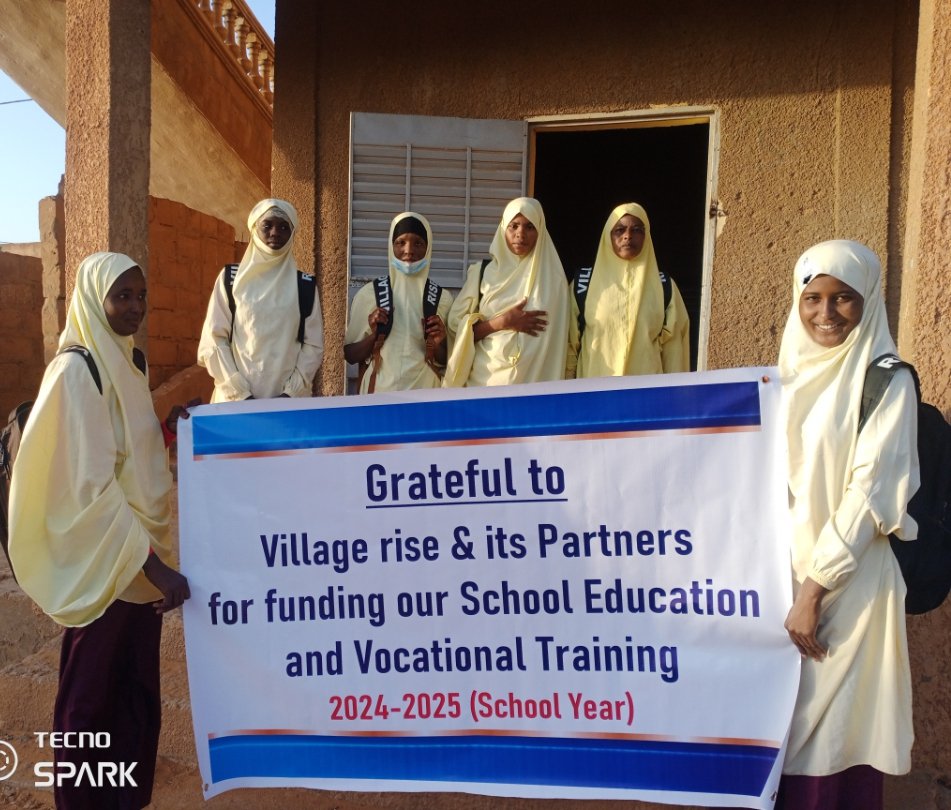
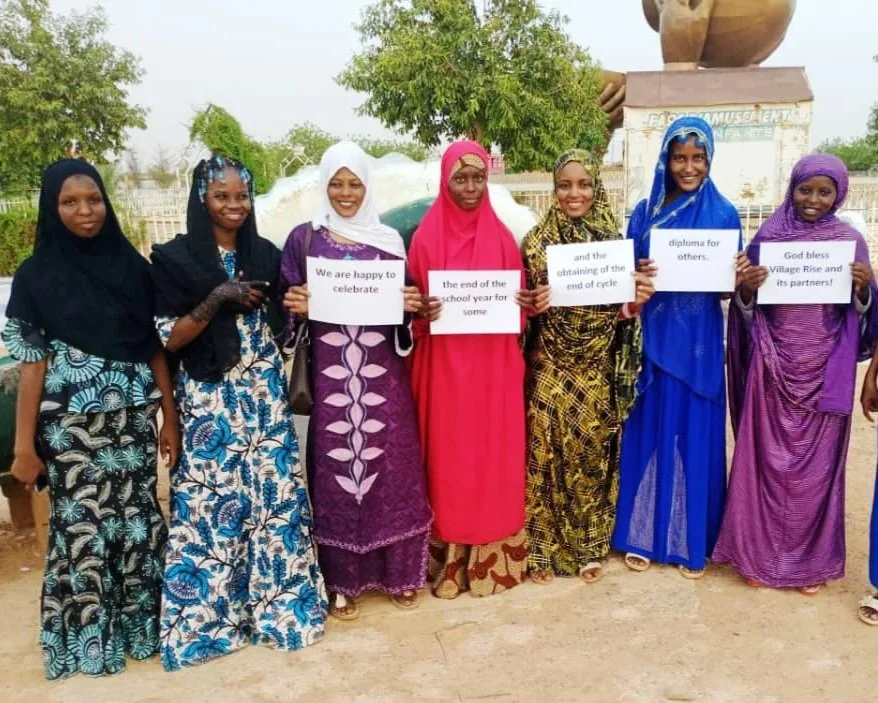
In Niger’s nomadic communities, Village Rise partners with local leaders and organizations to expand access to schooling for girls, breaking down cultural and structural barriers and creating pathways to long-term opportunity.
Our Impact
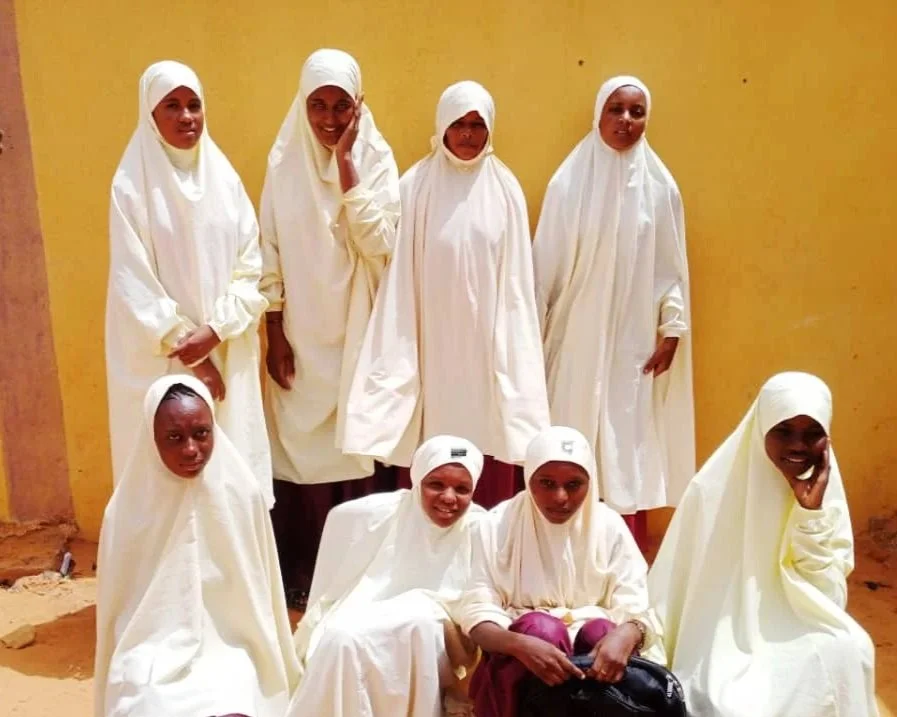
12 young women directly supported in secondary schooling programs
2,300+ individuals indirectly impacted across surrounding communities
2 rural communities reached (Tattiste and Fak)
Full support provided including housing, nutrition, tuition, and medical care
Community-wide engagement driving shifts in cultural attitudes toward girls’ schooling
Our Approach
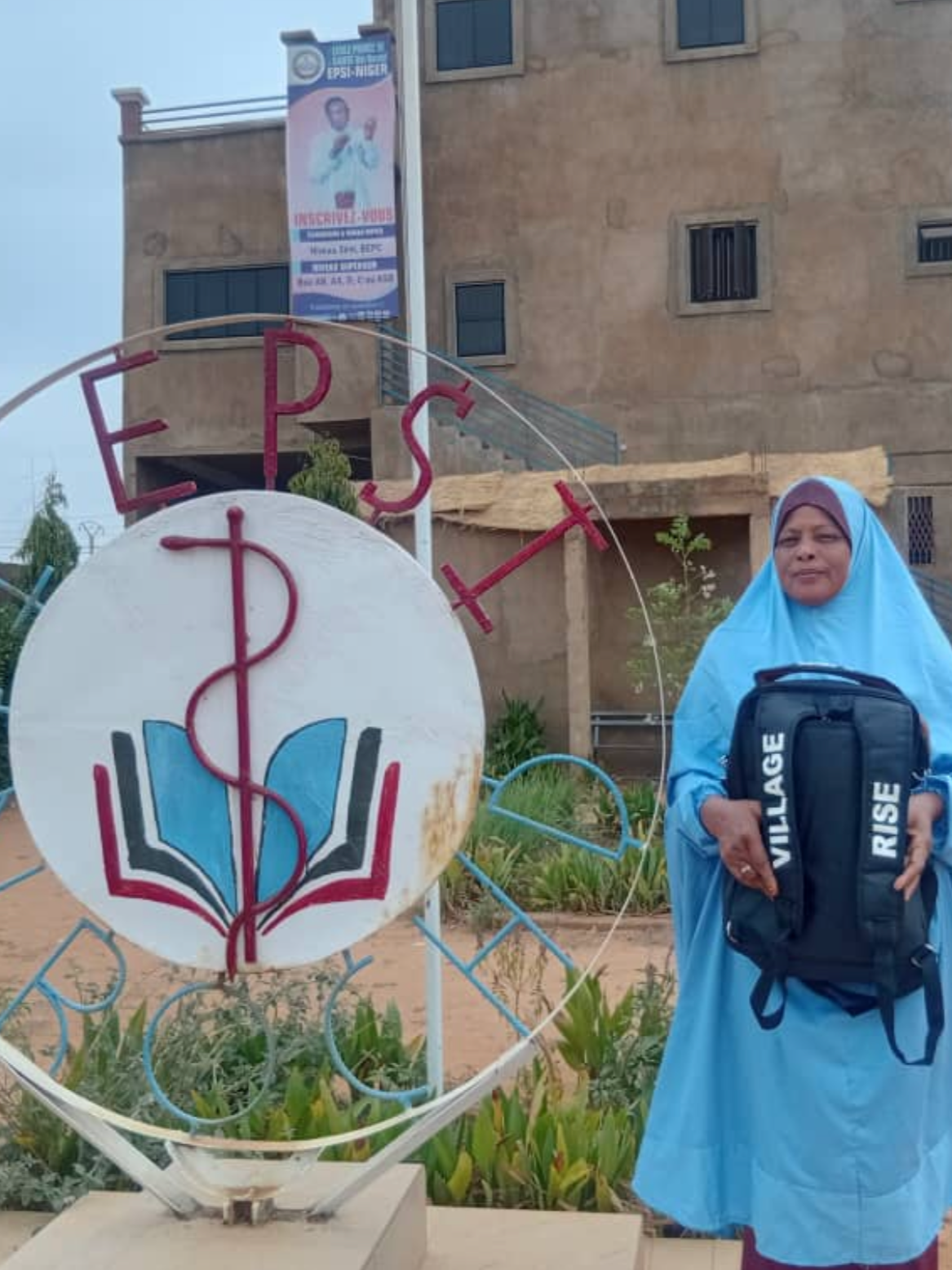
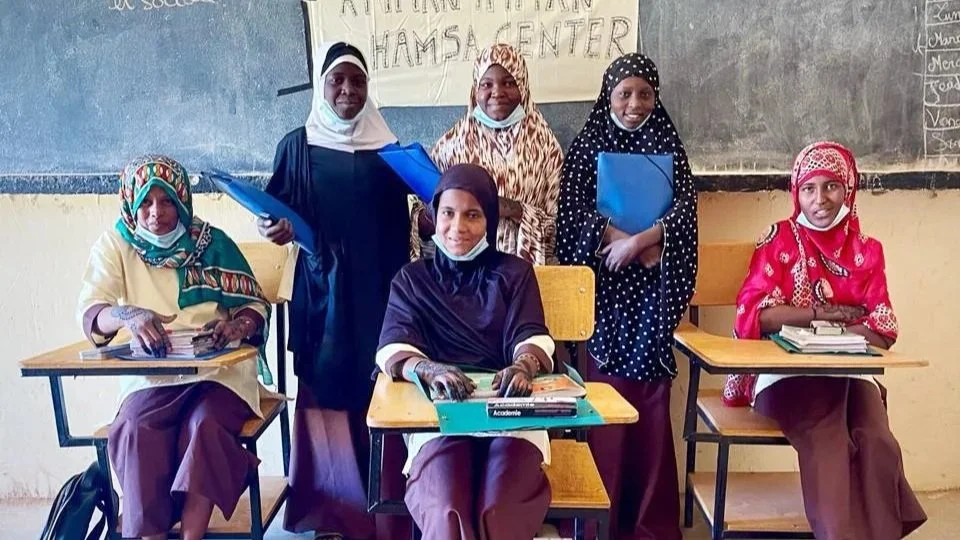
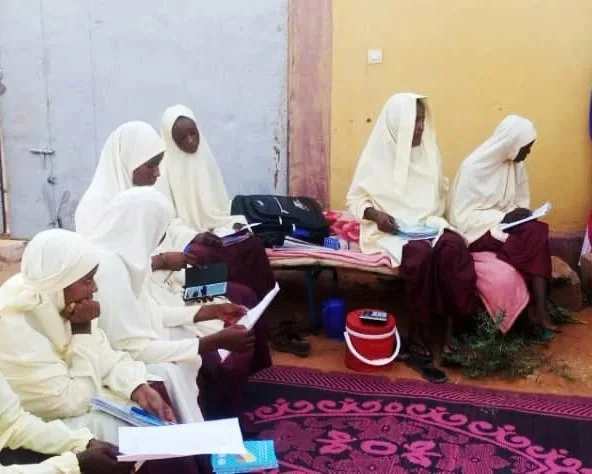
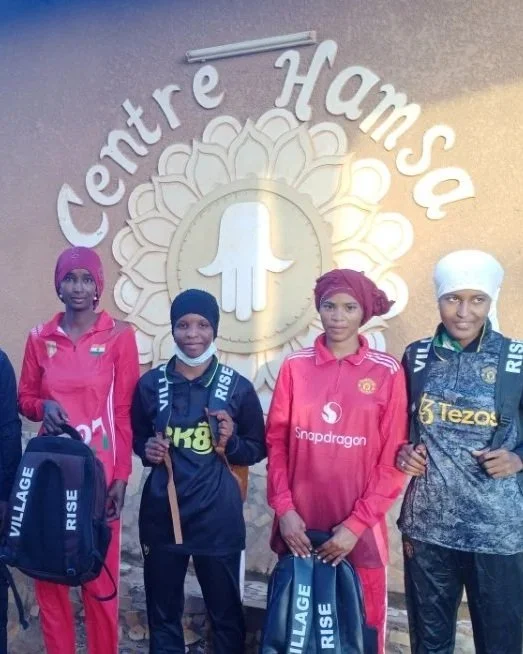
Village Rise works in partnership with Amman Imman and a network of educational partners — including the Hamsa Girls Education Center (HGEC), where the project began, the Solidarité private school complex, the Ibn Rochd Private Health School (EPSI), and the communities themselves to provide comprehensive, community-driven support for girls pursuing secondary schooling.
Our work focuses on:
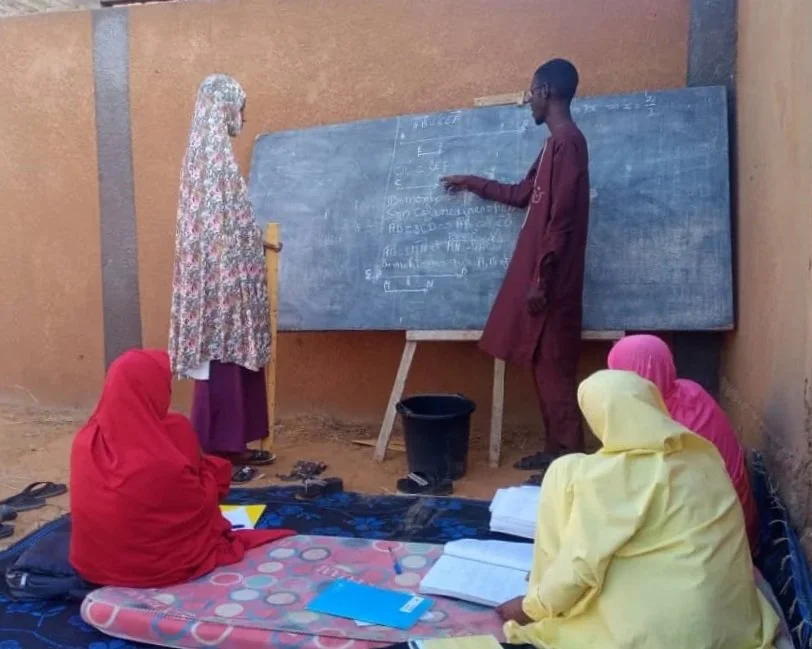
Schooling: Providing access to safe, quality secondary schooling for girls
Housing & Stability: Ensuring students have safe boarding environments to continue their studies
Health & Wellbeing: Covering medical care, nutrition, and essential needs
Community Outreach: Engaging families and leaders to shift cultural perceptions around girls’ schooling
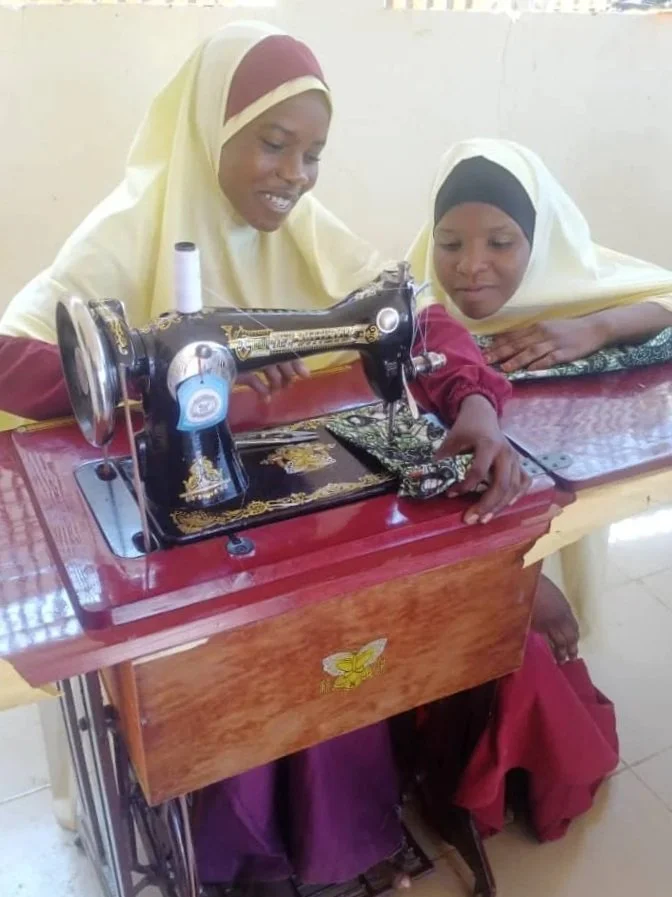
Economic Empowerment: Supporting mothers and families to reduce financial barriers and reliance on migration
Highlighted Projects
-
Providing access to secondary schooling for girls from nomadic communities
Program
SchoolingLocation
Tahoua Region (Tattiste & Fak Communities)Overview
Village Rise supports girls from nomadic communities who face significant barriers to schooling, including early marriage, financial hardship, and lack of access to safe schools. These students are enrolled with our network of educational partners, including the Hamsa Girls Education Center (HGEC), where they receive the support needed to continue their schooling.Implementation
Delivered in partnership with Amman Imman: Water is Life and our network of educational partners, including HGEC, with active involvement from community leaders, families, and local support committees.Impact
12 girls directly supported
2,300+ individuals indirectly impacted
2 rural communities reached
Full support provided, including housing, nutrition, tuition, and medical care
Long-Term Impact
Provides life-changing access to schooling for girls while contributing to long-term shifts in opportunity, independence, and community development. -
Engaging families and leaders to support girls’ schooling
Program
Community OutreachLocation
Tattiste & Fak CommunitiesOverview
Cultural norms often limit girls’ access to schooling. This initiative works directly with families and community leaders to build understanding and support for girls’ continued schooling.Implementation
Delivered through local engagement, awareness efforts, and the establishment of Village Support Committees.Impact
Increased support for girls’ schooling
Active participation from community leaders and families
Strengthened local advocacy
Long-Term Impact
Supports lasting cultural change, improving access to education for future generations. -
Celebrating the identity and resilience of a nomadic Fulani community
Program
Community Outreach
Location
Tattiste Community
Overview
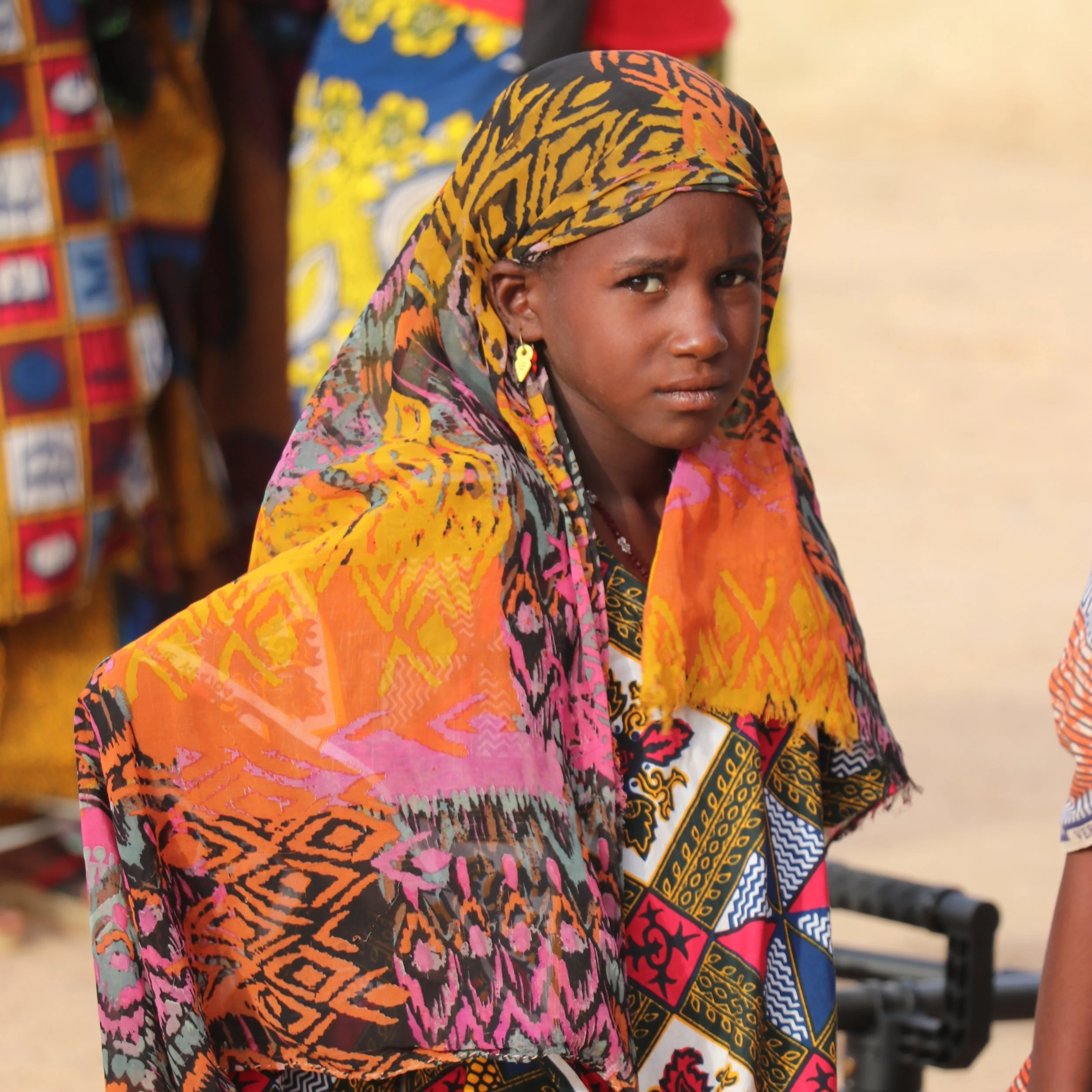
The Wodaabe, a nomadic Fulani people also known as Bororo, are recognized for rich oral traditions, cattle-herding heritage, and the Guerewol ceremony, honored by UNESCO as part of humanity’s intangible cultural heritage. Facing pressures from climate change and shifting land use, many Wodaabe families are adapting while preserving their identity and social customs. Village Rise partners with the Tattiste community to help girls stay in school while honoring and respecting these traditions.
The Need
In Niger, particularly within nomadic communities, girls face significant barriers to schooling. Cultural norms often prioritize early marriage over schooling, while financial constraints and limited access to safe educational facilities further restrict opportunities.
For many families, the cost of schooling, combined with long distances and safety concerns, makes it nearly impossible for girls to attend school.
Without intervention, these barriers perpetuate lack of resources, limit economic opportunity, and restrict the potential of entire communities.
-
Ensuring girls can stay in school through full support
Program
Shelter & Housing + Health & WellbeingLocation
Tahoua RegionOverview
Students receive comprehensive support including safe housing, meals, medical care, and daily necessities, allowing them to focus on their schooling without external barriers.Implementation
Delivered through our network of educational partners, including HGEC, and Amman Imman with structured, ongoing support systems.Impact
Safe boarding environment provided
Access to nutrition and healthcare ensured
Improved retention and academic performance
Long-Term Impact
Creates stable conditions for educational success and long-term independence. -
Reducing financial pressures that limit schooling
Program
Community OutreachLocation
Surrounding CommunitiesOverview
Financial constraints often prevent families from supporting girls’ schooling. This work helps reduce those pressures through targeted support and community-based solutions.Implementation
Delivered through locally informed support systems in partnership with community leaders.Impact
Increased family stability
Reduced need for migration
Greater ability to support girls’ schooling
Long-Term Impact
Strengthens households and reinforces long-term investment in schooling. -
Honoring the values, poetry, and craftsmanship of a resilient desert people
Program
Community Outreach
Location
Fak Community
Overview
The Tuareg, a Berber people of the Sahara, are known for their language, Tamasheq, written in the ancient tifinagh script, and for cultural values of honor, hospitality, and courage. Skilled artisans, they are celebrated for silverwork such as the Agadez cross and finely crafted leatherwork. Facing challenges from drought and forced sedentarization, many Tuareg families continue to preserve their heritage through music, poetry, and community tradition. Village Rise partners with the Fak community to support girls’ schooling while honoring and respecting this rich cultural identity.
Sustainability
Village Rise’s work in Niger is rooted in long-term, community-led partnerships. In collaboration with Amman Imman: Water is Life and our network of educational partners, including the Hamsa Girls Education Center (HGEC), we support programs that are locally implemented, culturally informed, and built for sustained impact.
By working alongside trusted partners with deep, on-the-ground presence, we ensure that girls receive consistent access to schooling, housing, and essential services within a stable and supportive environment.
Community engagement remains central to this work. Through collaboration with families, local leaders, and Village Support Committees, we are not only supporting individual students but also driving lasting shifts in attitudes toward girls’ schooling.
Together, this model strengthens local systems, reinforces community ownership, and creates a foundation for long-term, scalable impact.